A used part needs a clear history.
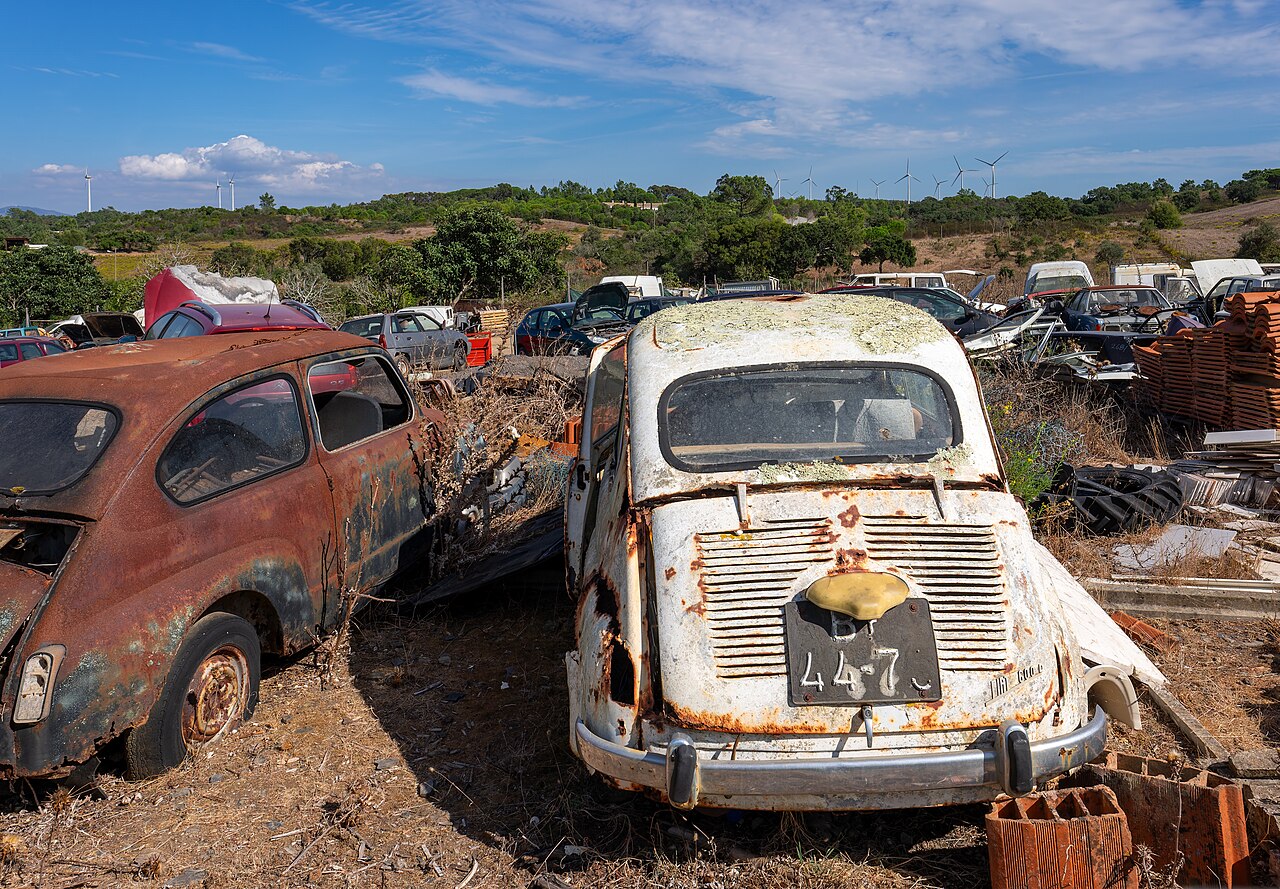
Learn identification, provenance and practical questions before discussing used vehicle parts.
Start the first guideIdentify what is being offered
- Identify a used part without removing anything
Connect the buyer’s request to documents and professional references.
- Compare donor and receiving-vehicle information
Keep model similarity separate from a confirmed application.
Read the supporting information
- Ask about used-part provenance without inventing proof
Trace the source of each claim and recognise missing history.
- Describe used-part condition neutrally
Use visible descriptions without claiming an inspection or remaining life.
Prepare the next conversation
- Compare used-part offers by scope
Make the item, included pieces and unanswered questions comparable.
- Plan a used-part handover to a technician
Keep responsibility and item identity clear without owner installation.
- Understand reuse, recycling and waste questions
Distinguish a buyer’s enquiry from hazardous treatment work.
- Read Zimbabwe car-breaking reports carefully
Keep livelihoods, reported conditions and buyer approval distinct.
Keep the original source within reach.
Read the source library for the underlying information and its limits.
Explore the references